Have you ever walked past a bakery and felt an immediate sense of comfort? Or caught a whiff of a specific perfume and felt a sudden rush of memory and emotion? The sense of smell is the most direct link between the external world and our brain. But beyond memory and comfort, can scent actually influence physical arousal?
The answer is yes. While perfume isn’t a magic potion, research suggests that certain aromas can trigger physiological responses, improve blood flow, and create the psychological mood necessary for intimacy.
In this deep dive, we explore the specific scents linked to arousal, the science behind why they work, and how you can incorporate them into your life.
The Olfactory Connection: Why Smell Matters
To understand why scent affects arousal, we must look at biology. The olfactory system (our sense of smell) is uniquely connected to the limbic system in the brain. This is the ancient part of the brain responsible for emotions, memory, and instinctual behaviors—including sexuality.
Unlike sight or sound, which are processed through other parts of the brain first, smell signals go straight to the amygdala (emotion) and hippocampus (memory). This direct line means a scent can bypass logical thought and trigger a visceral reaction immediately.
The Arousal Inventory: Top Scents Backed by Research
Not all pleasant smells are created equal. Based on studies and olfactory psychology, here are the specific categories and scents known to stimulate arousal.
1. Classic & Sweet: Comfort and Sensuality
These scents work primarily by lowering stress and creating a sense of safety. When the body feels safe and comforted, it is more open to intimacy.
- Vanilla: Perhaps the most universally loved scent. Vanilla is sweet, warm, and deeply comforting. It often evokes nostalgic feelings of home and safety, reducing anxiety and paving the way for sensuality.
- Jasmine: This isn’t just a pretty floral scent. Jasmine is musky and sweet, often associated with sexuality in various cultures. Studies have found that jasmine can improve mood and arousal levels. It contains a compound called Hedione, which has been shown to activate specific receptors in the nose linked to emotional processing.
- Sandalwood: A creamy, woody scent. Sandalwood is known for its grounding properties. Research indicates it can boost arousal by creating a warm, enveloping atmosphere that feels luxurious and intimate.
- Cinnamon: Warm, spicy, and sweet. Cinnamon is physically warming. The scent alone can signal warmth to the brain, creating a cozy and passionate environment.
2. Spicy & Stimulating: Energy and Circulation
While sweet scents comfort, spicy scents wake up the body. These are ideal for increasing energy and physical readiness.
- Ginger: Known for its zesty kick, ginger is more than a cooking ingredient. As a scent, it can stimulate circulation. Improved blood flow is a key physiological component of physical arousal.
- Black Pepper: A vibrant, zesty note. Black pepper adds energy to fragrances and can help sharpen the senses, making you feel more alert and present.
- Peppermint: Often used for focus, peppermint’s stimulating qualities can also wake up the body, reducing fatigue and increasing sensory awareness.
3. Earthy & Musky: Deep Instincts
These scents are heavier and often connect to primal instincts. They add complexity and depth to an environment.
- Patchouli: An earthy, musky scent that gained popularity in the 1960s for its association with free love. It grounds the senses and adds a raw, natural element to the atmosphere.
- Ambrette: A botanical musk with nutty undertones. It mimics the scent of natural skin musk, creating a subtle, intimate barrier of scent.
- Oakmoss & Labdanum: Deep, resinous notes. These add complexity to a scent profile, making it feel more mysterious and alluring.
4. Floral & Fresh: Balance and Function
Some floral scents are relaxing, but that relaxation can be key to sexual function by reducing performance anxiety.
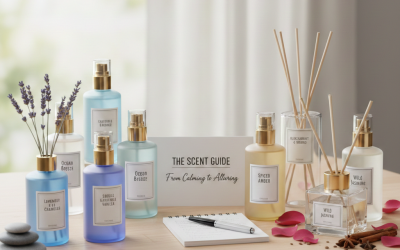
- Lavender: Typically known for sleep, lavender plays a dual role. By reducing stress and anxiety, it can improve sexual function. Studies have shown that when paired with other scents, it can contribute to increased arousal.
- Ylang Ylang: A tropical, sweet floral. Historically used in bridal bouquets in Indonesia, it is renowned for its aphrodisiac properties and ability to lower blood pressure while boosting mood.
- Muguet (Lily of the Valley): A clean, fresh floral. For many, this scent is deeply arousing due to its crisp and uplifting nature.
5. The Unexpected Contenders
Some of the most effective scents for arousal come from unlikely places, specifically the kitchen.
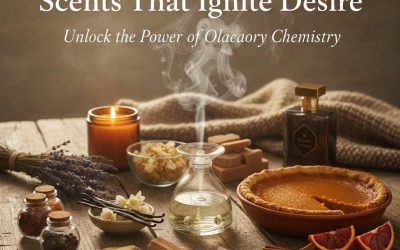
- Pumpkin Pie: This might sound surprising, but research from the Smell & Taste Treatment and Research Foundation suggests that the scent of pumpkin pie (especially when paired with lavender) can increase penile blood flow by up to 40%. The effect is likely due to the comforting, rewarding association the brain has with sweet baked goods.
- Blood Orange: A bright, uplifting citrus. It boosts mood and energy, combating lethargy and creating a vibrant atmosphere.
How They Work: The Mechanisms of Action
Why do these specific smells trigger a response? It generally comes down to two mechanisms:
1. Pheromone-like Effects
While human pheromones are still a subject of debate in science, certain compounds mimic their effects.
- Hedione: Found in jasmine, this synthetic or natural compound activates receptors in the vomeronasal organ (linked to pheromone detection) in some studies, potentially influencing mood and arousal.
- Androstenol: A compound found in natural human sweat (particularly male), which can act as a signal of biological compatibility.
2. Psychological Association
This is often the stronger factor. Scents are anchored to memories and feelings.
- Comfort: Sweet and warm scents (Vanilla, Pumpkin Pie) trigger feelings of safety.
- Passion: Spicy scents (Cinnamon, Pepper) trigger feelings of energy and heat.
- Relaxation: Floral scents (Lavender) reduce the cortisol (stress) that often kills libido.
Practical Tips: How to Use Arousal Scents
You don’t need to buy expensive potions to benefit from olfactory stimulation. Here is how to integrate these scents into your routine:
- Layering Fragrances: Choose a personal perfume or cologne that features notes of sandalwood, vanilla, or jasmine for dates.
- Ambient Scenting: Use candles or essential oil diffusers in the bedroom. A blend of lavender and pumpkin pie (or sweet spices) can set a relaxing yet stimulating tone.
- Cooking Together: The act of cooking with ginger, cinnamon, or citrus releases these aromas into the air naturally, combining activity with olfactory stimulation.
- Linens: Lightly scent your bed linens with a musky or floral spray to create a sensory experience before you even enter the room.
A Crucial Note on Personal Preference
While the science is fascinating, context is king. The most powerful aphrodisiac scent is one that you and your partner enjoy. If you love vanilla but your partner finds it overpowering, it will have the opposite effect.
Furthermore, scent is highly subjective. A smell that triggers arousal in one person might trigger a memory of something unpleasant in another. The key is communication and experimentation.
Conclusion
Scent is a powerful, often overlooked tool in creating intimacy. Whether it’s the scientifically backed blood-flow benefits of pumpkin pie and lavender, the comforting warmth of vanilla, or the stimulating kick of ginger, aromas have the power to shift our physiology and psychology.
By understanding which scents trigger comfort, energy, or sensuality, you can curate an environment that naturally encourages connection. So, the next time you plan a romantic evening, don’t just think about what you wear or what you eat—think about what you smell.
Have you ever noticed a specific scent that changes your mood or energy levels? Share your experiences in the comments below.